 en
▼
en
▼
Absolutely. Many specialized battery-powered or vehicle-based systems operate on unconventional DC buses that fall outside the standard 24V or 48V ranges. We can adapt our DC/DC topologies to handle unique input windows, including ultra-wide ranges or specific transient requirements (e.g., matching MIL-STD-1275 or MIL-STD-704), ensuring your system remains stable despite severe input voltage fluctuations.
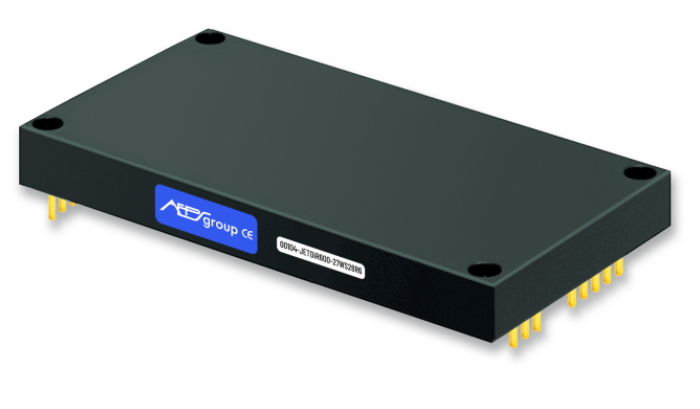
Yes, and this is one of our most requested custom features. To save critical board space and reduce total system weight (SWaP optimization), we can design a bespoke multi-output DC/DC converter. Instead of using three or four separate modules, we can provide a single, ruggedized unit with multiple independently regulated and galvanically isolated outputs (e.g., 3.3V, 5V, and 12V) tailored to your specific load requirements.
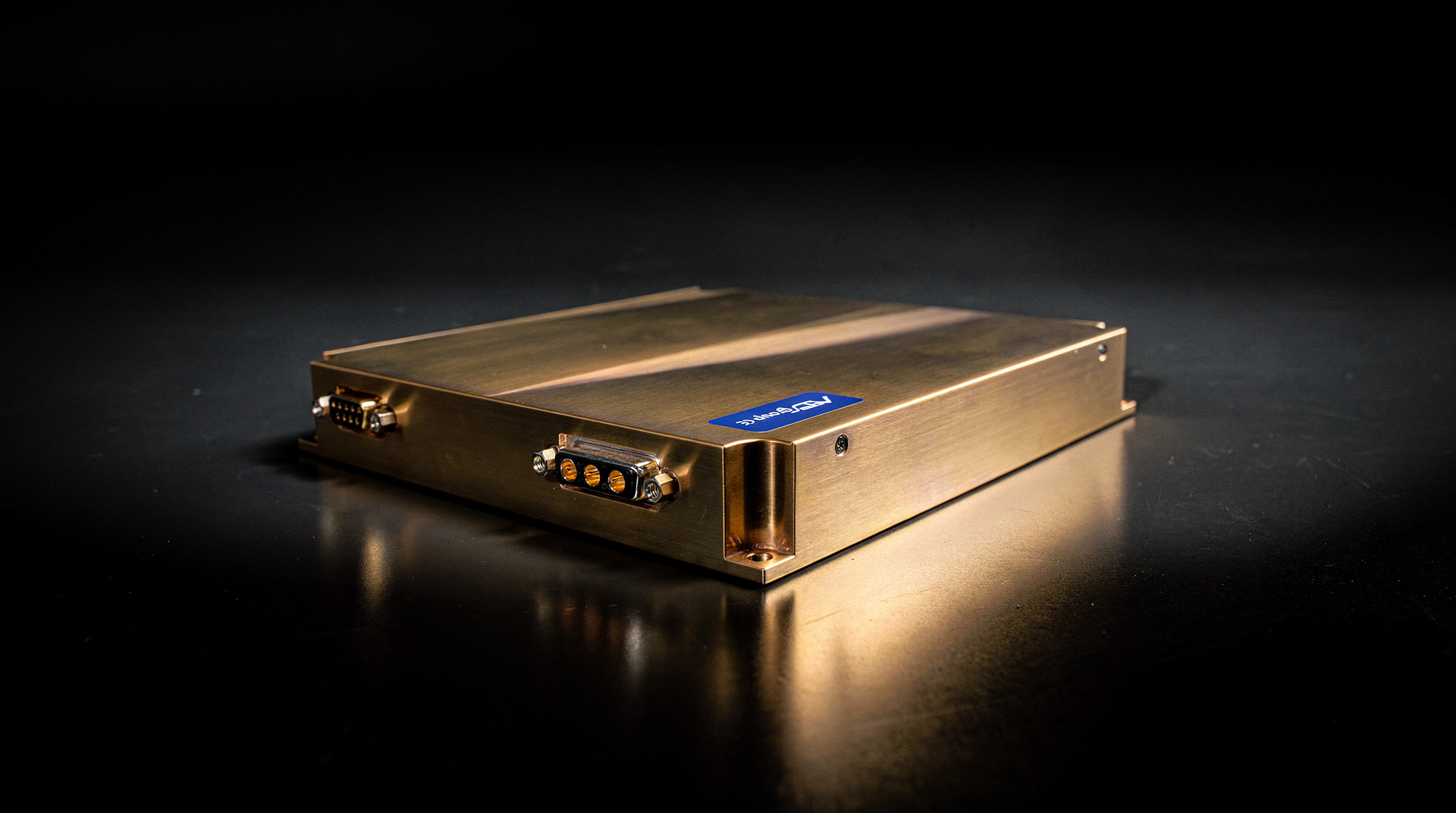
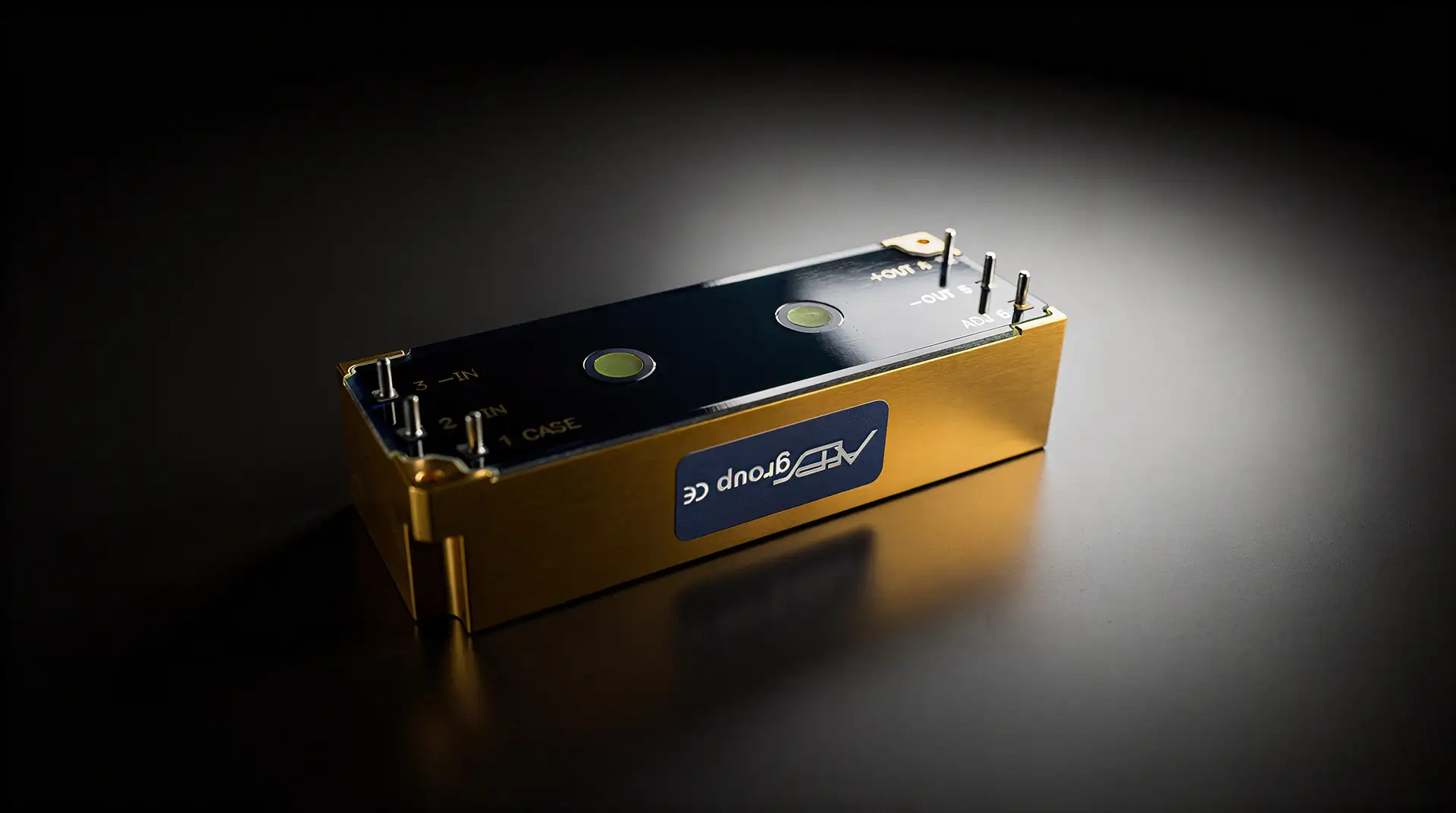
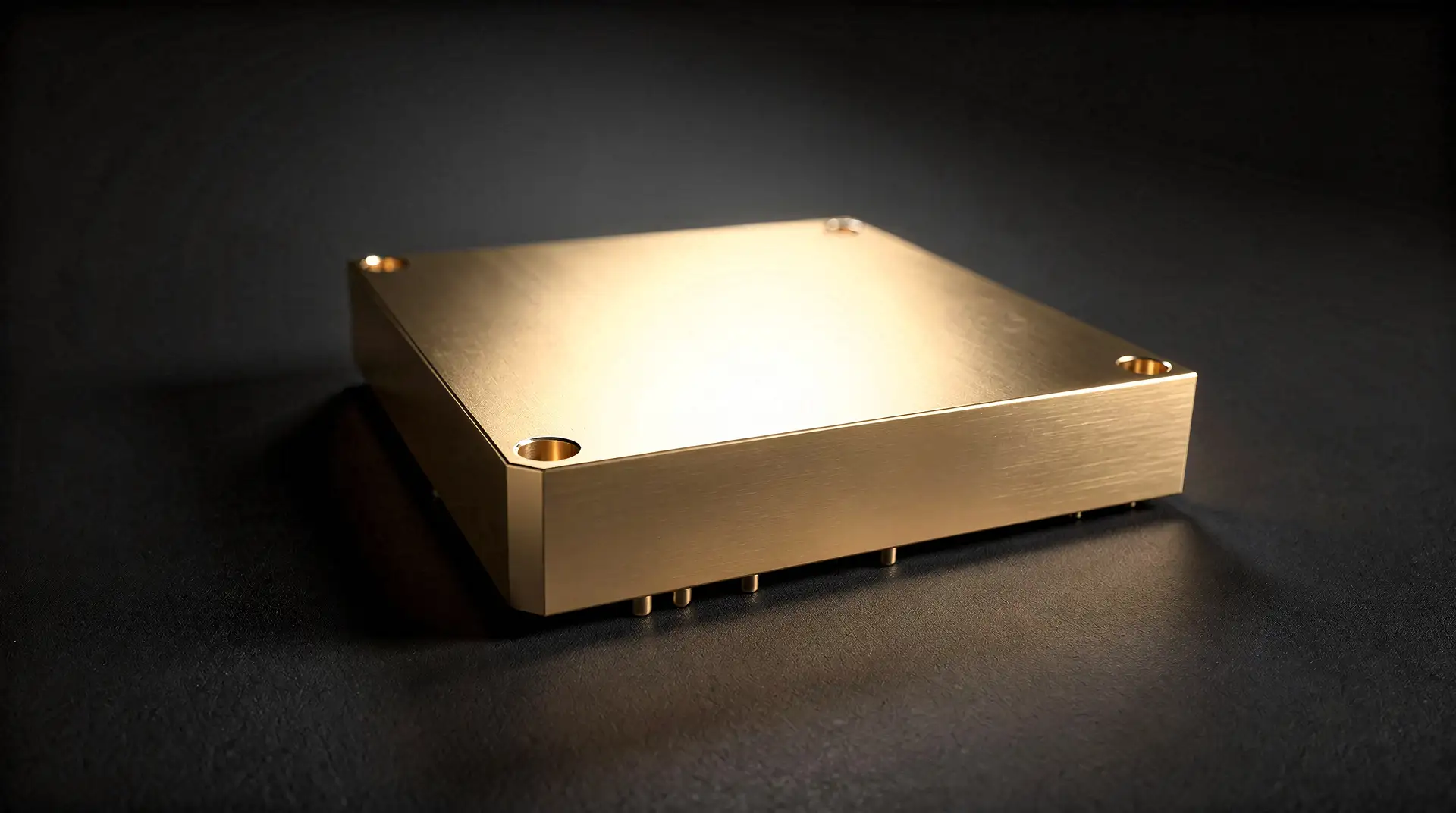
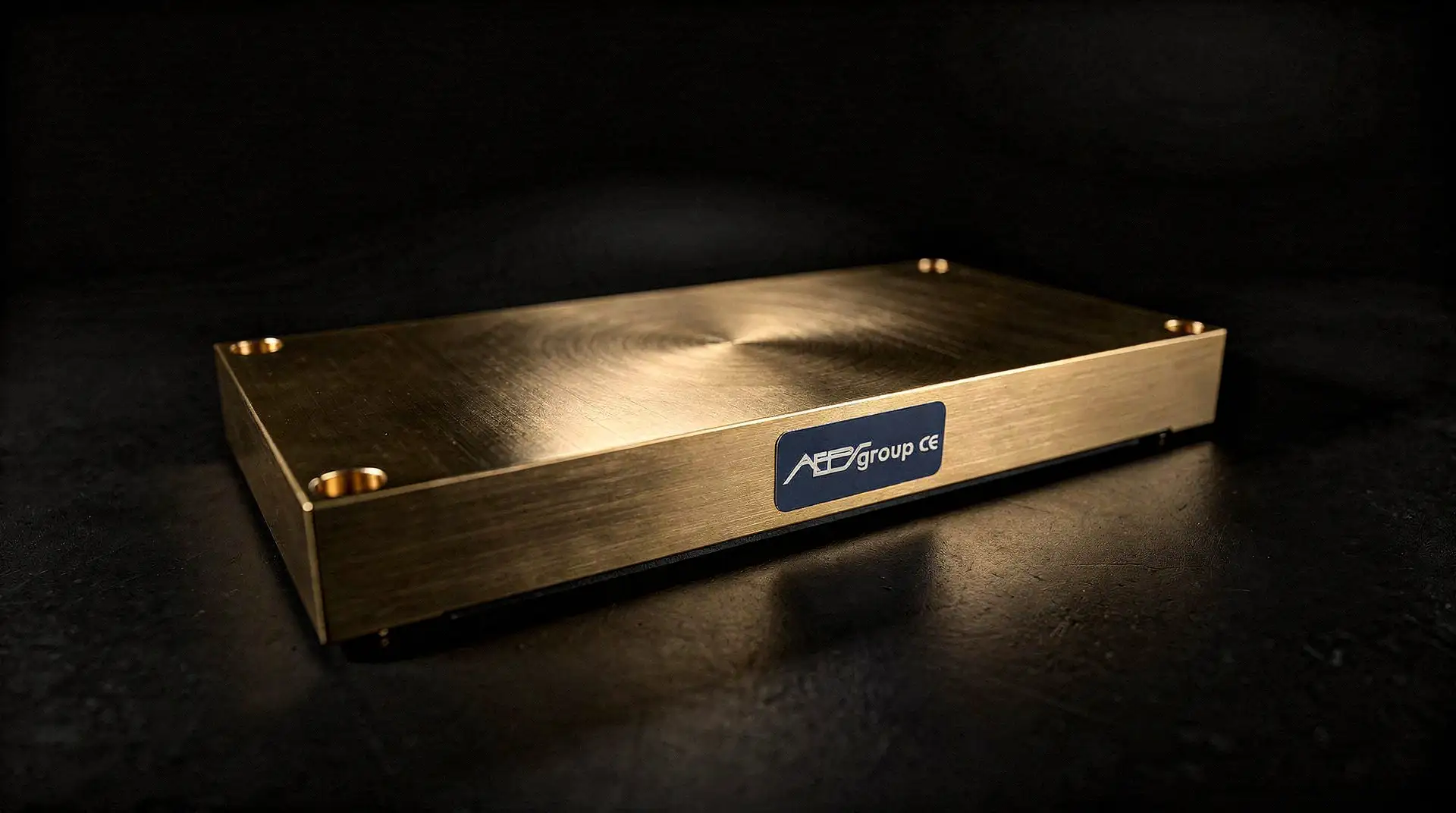
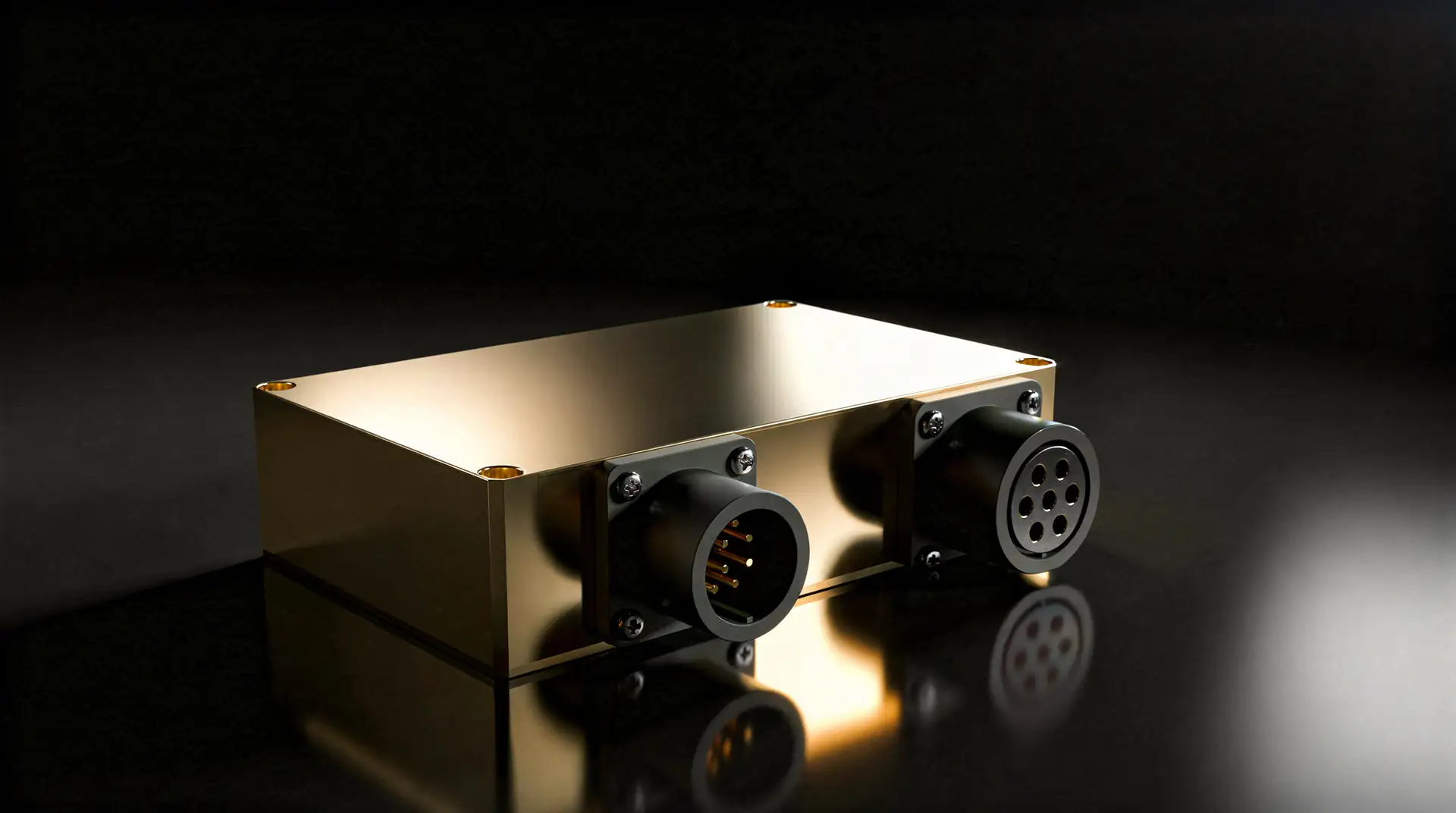
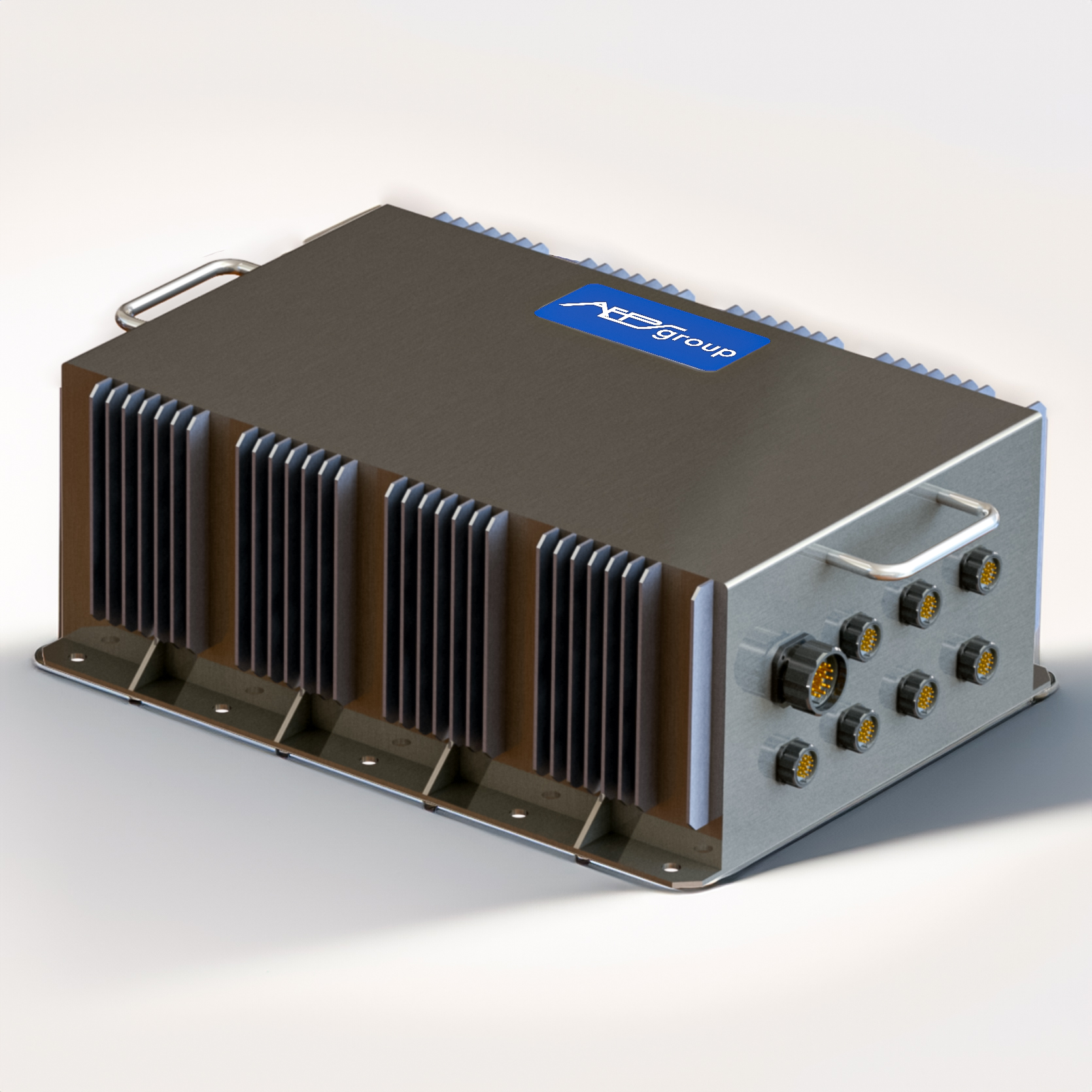
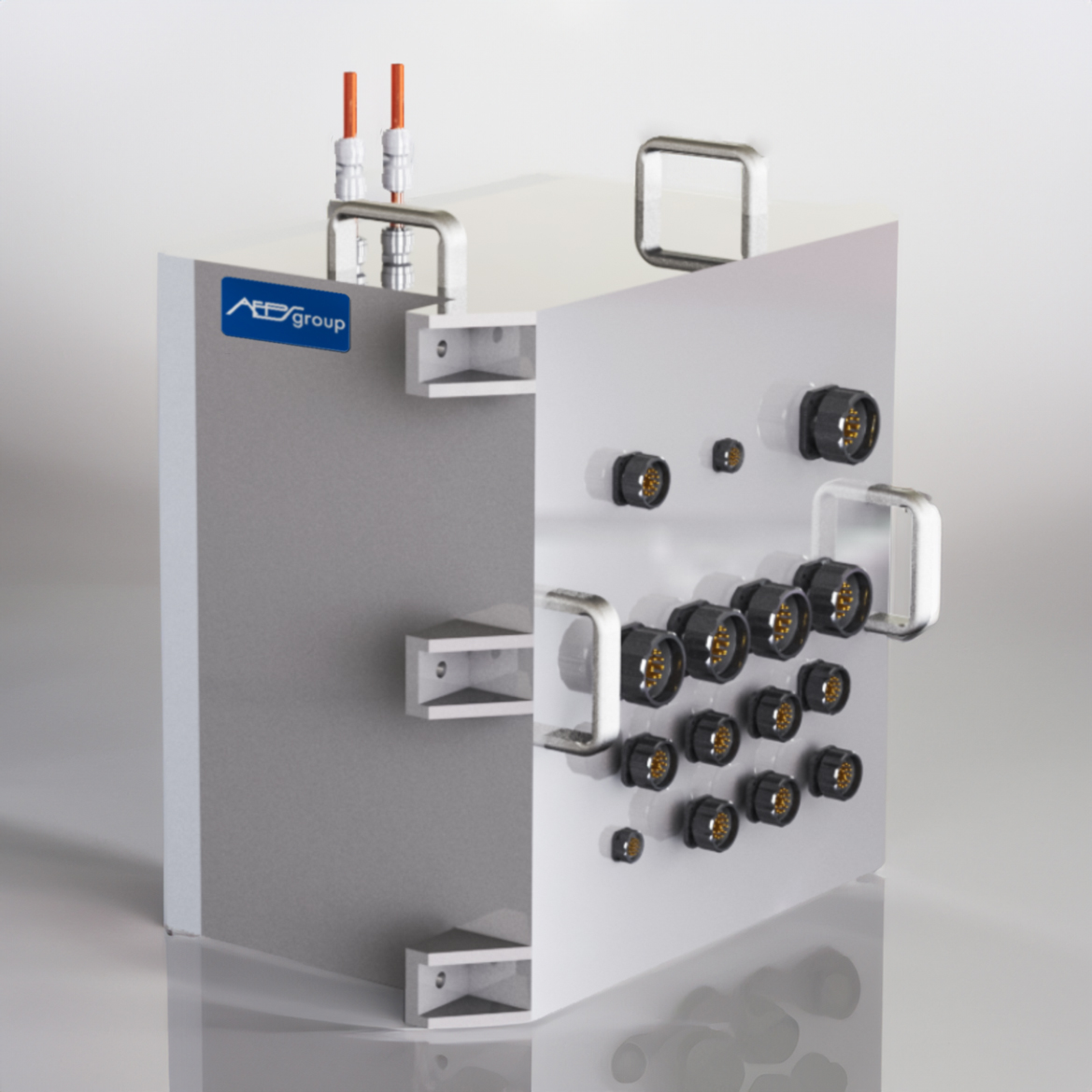
When a standard “brick” simply won’t fit, we offer mechanical form-factor adaptation. Using our in-house CNC milling capabilities, we can design custom aluminum or copper enclosures with specific mounting points, unique shapes, or specialized connector placements. This allows you to integrate high-power DC/DC conversion into oddly shaped cavities in UAVs, missiles, or compact portable electronics without a full system redesign.
By using our “Modified Standard” engineering approach, we significantly shorten the development cycle. Since we base our custom designs on our field-proven, ruggedized internal building blocks, we don’t have to reinvent the core technology. This results in much lower Non-Recurring Engineering (NRE) costs and allows us to deliver fully functional, flight-ready prototypes in a fraction of the time required for a traditional ground-up development.
Without compromise. Every custom DC/DC module we build inherits the same “hardened” DNA as our standard series. This includes full internal potting, advanced planar magnetics, and an operating case temperature range from -60°C up to +125°C. Whether your custom unit is destined for a high-altitude unpressurized compartment or a high-vibration engine bay, it will be engineered to meet or exceed MIL-STD-810G environmental requirements.


