We proudly introduce our latest generation of specialized power supply solutions for tethered drones (TDS) – the JETNA-H-LP (3ph. AC/DC), JETA-H-LP (1ph. AC/DC) and JETDH-LP (DC/DC) series.
JETNA-H-LP or JETA-H-LP is to be placed in the on-land part of TDS. Fed from 3-phase or 1-phase AC mains and providing various levels of high voltage DC output – 200-400 VDC. The DC voltage is transferred via cable over length of hundreds of meters to the drone. There, on-board of TDS power supply units JETDH-LP receive the high voltage and then provide low voltage output to the on-board electronics.
Naturally, the series may be used separately. Both series may be controlled to provide flexibility of operation and accommodation to the immediate needs.
Thanks to continuous power supply, aerial equipment can cover large areas without interruptions for recharging. The system may be equipped with various sensors and devices, as per needs of the customer, to gather data, monitor surroundings etc. This can bring benefits in both defence and industrial sector.
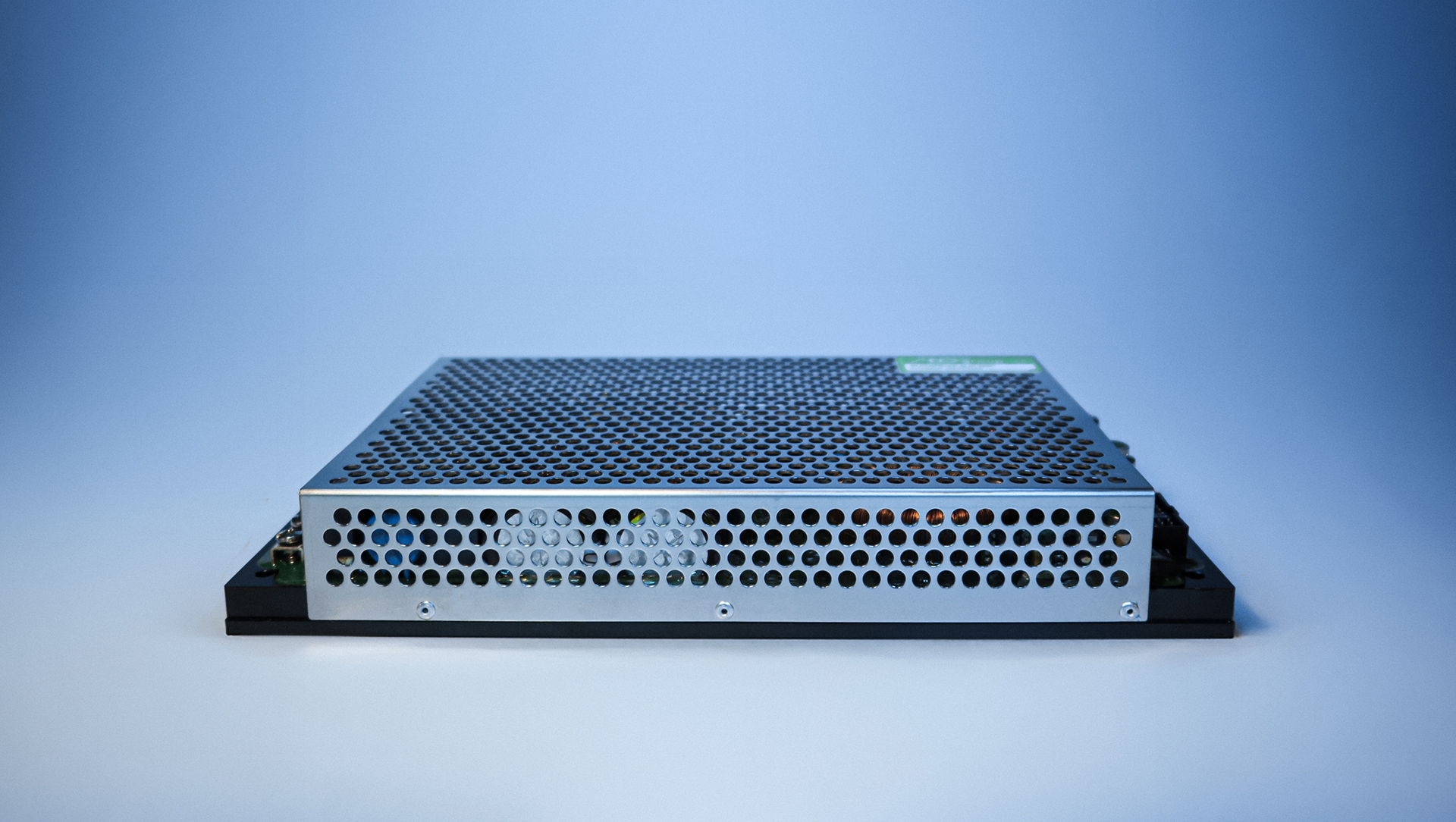
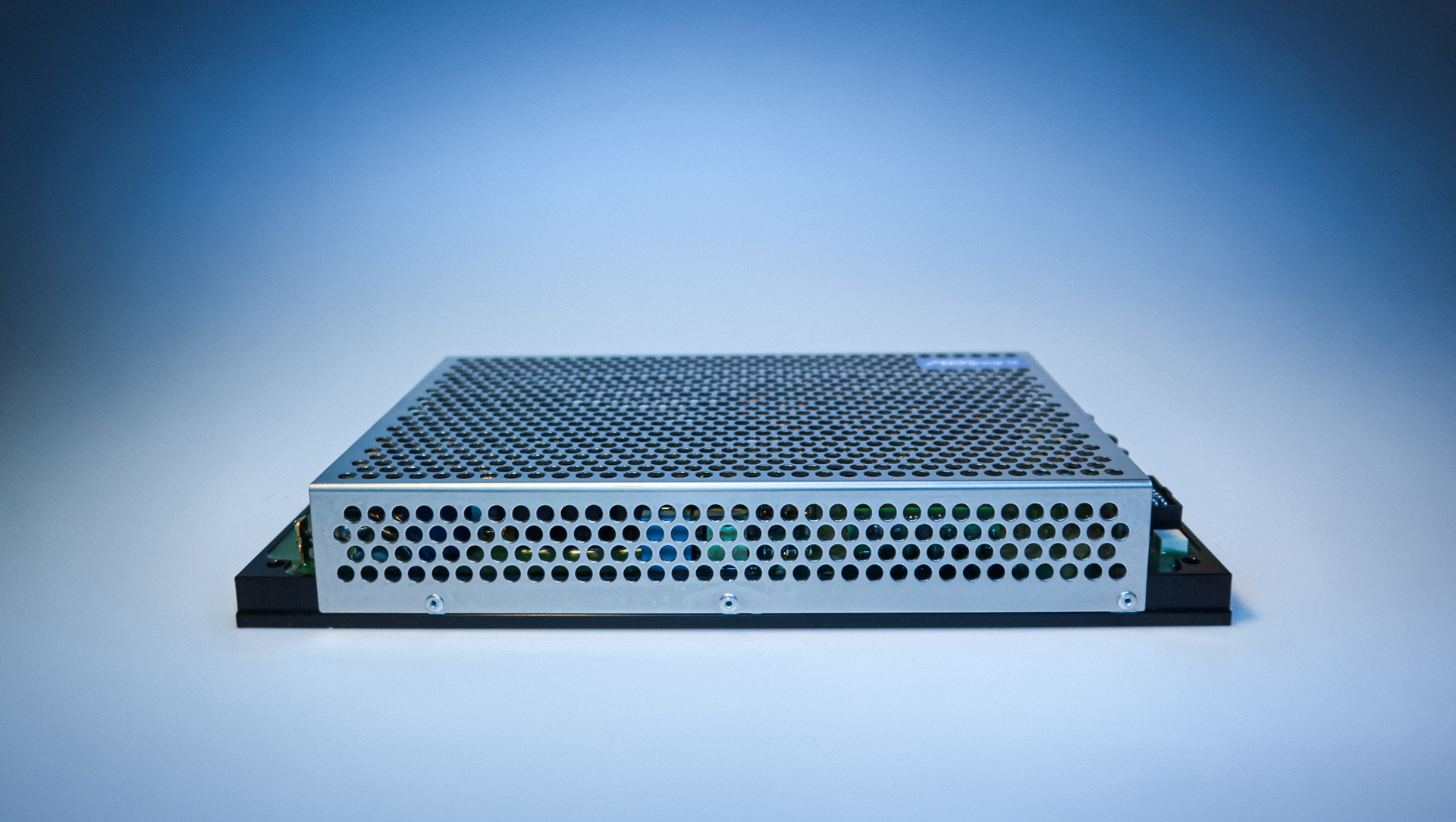
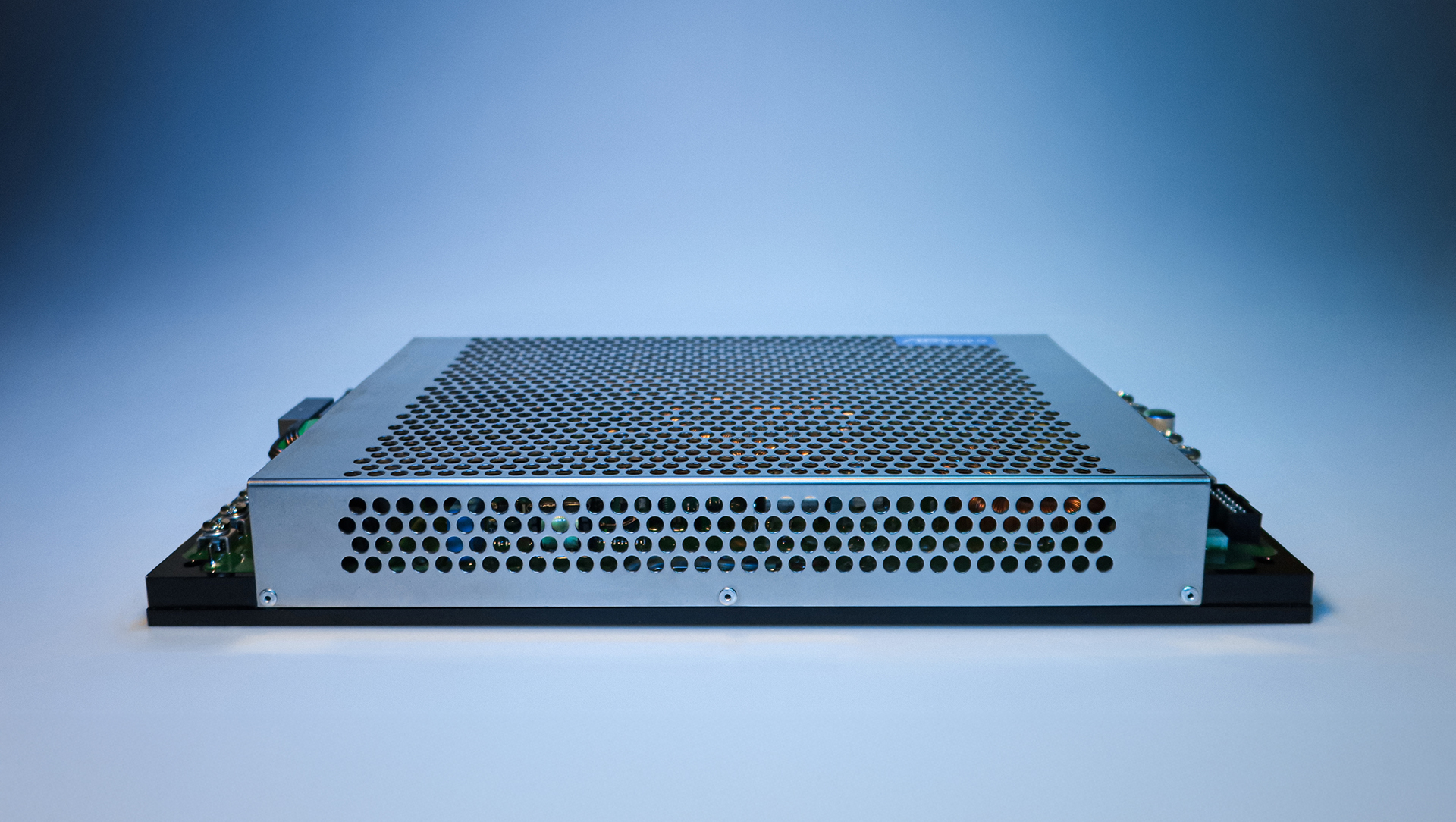
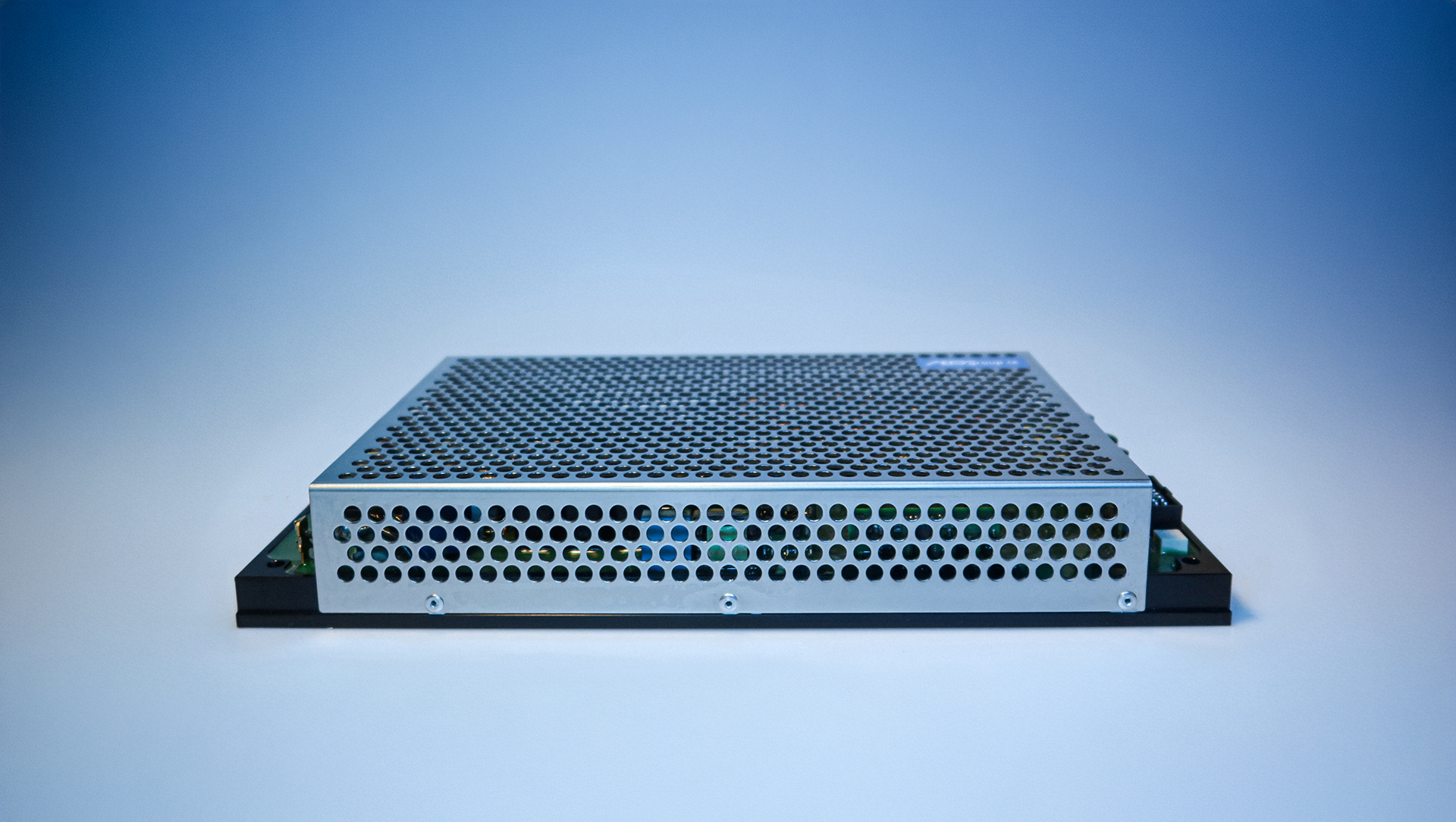
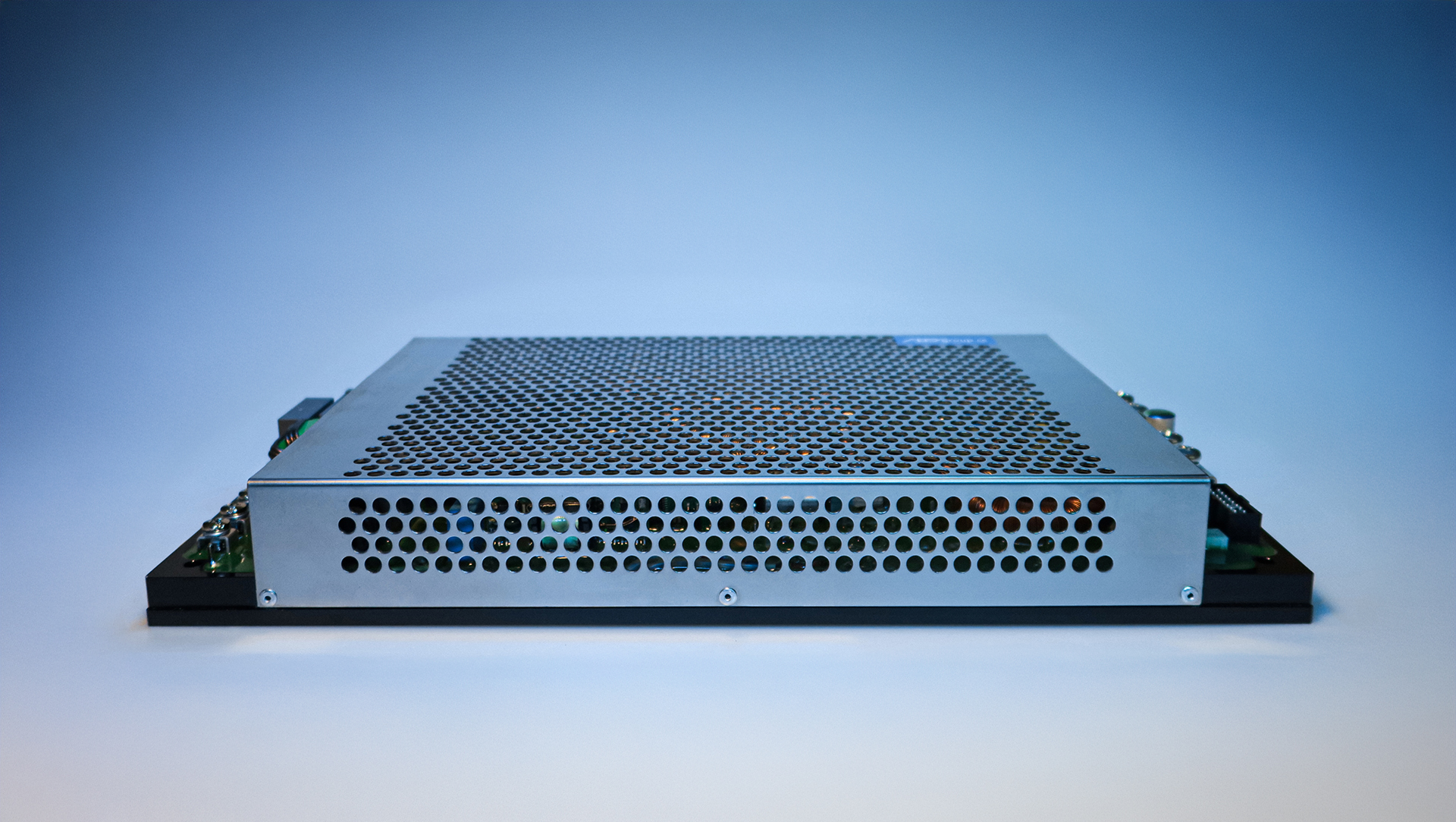
Tethered drone systems require transmitting massive amounts of power over long, lightweight micro-cables without suffering severe voltage drops. Our LP series (including JETA, JETNA, and JETDH) provides high-voltage DC output (typically 200-400 VDC) to minimize these transmission losses. Additionally, packing up to 6000W of power into an ultra-low-profile CNC-milled case (only 38-39 mm thick) saves critical space and weight inside compact ground power stations and winch mechanisms.
Standard high-power converters rely on bulky internal fans that fail in dusty or harsh environments. The LP series utilizes highly efficient baseplate conduction cooling. The entire internal circuitry is protected by a specialized polymer potting compound that transfers heat directly to the flat, CNC-machined aluminum chassis. By mounting this baseplate directly to a system coldplate or liquid-cooled heatsink, the unit safely dissipates heat while maintaining a completely sealed, fanless footprint.
Yes, scalability is a core feature of the LP series. These high-power modules are equipped with active parallel operation capabilities. Design engineers can easily connect multiple units in parallel to scale up the total output power (e.g., combining two 6000W units for a 12kW array) or to build highly reliable N+1 redundant power architectures for mission-critical radar and aerospace applications.
Absolutely. The combination of the ruggedized metal case and full internal polymer potting protects the electronic components from moisture, condensation, and rapid pressure changes. The LP series is specifically designed for unprotected equipment compartments, operating flawlessly in extreme ambient temperatures ranging from -60°C down to +95°C (depending on the specific model), making them perfect for high-altitude aviation and supercomputers.
The LP series is designed to handle heavy-duty industrial and defense power grids. The JETNA-H-LP series supports 3-phase AC inputs (such as 323-440 VAC), while the JETA-H-LP handles standard 1-phase AC. For systems operating entirely on DC buses, the JETDH-LP series accepts extreme high-voltage DC inputs, with standard ranges including “D370” (340-400 VDC) and “D560” (390-620 VDC), ensuring stability under heavy load conditions.


