 en
▼
en
▼
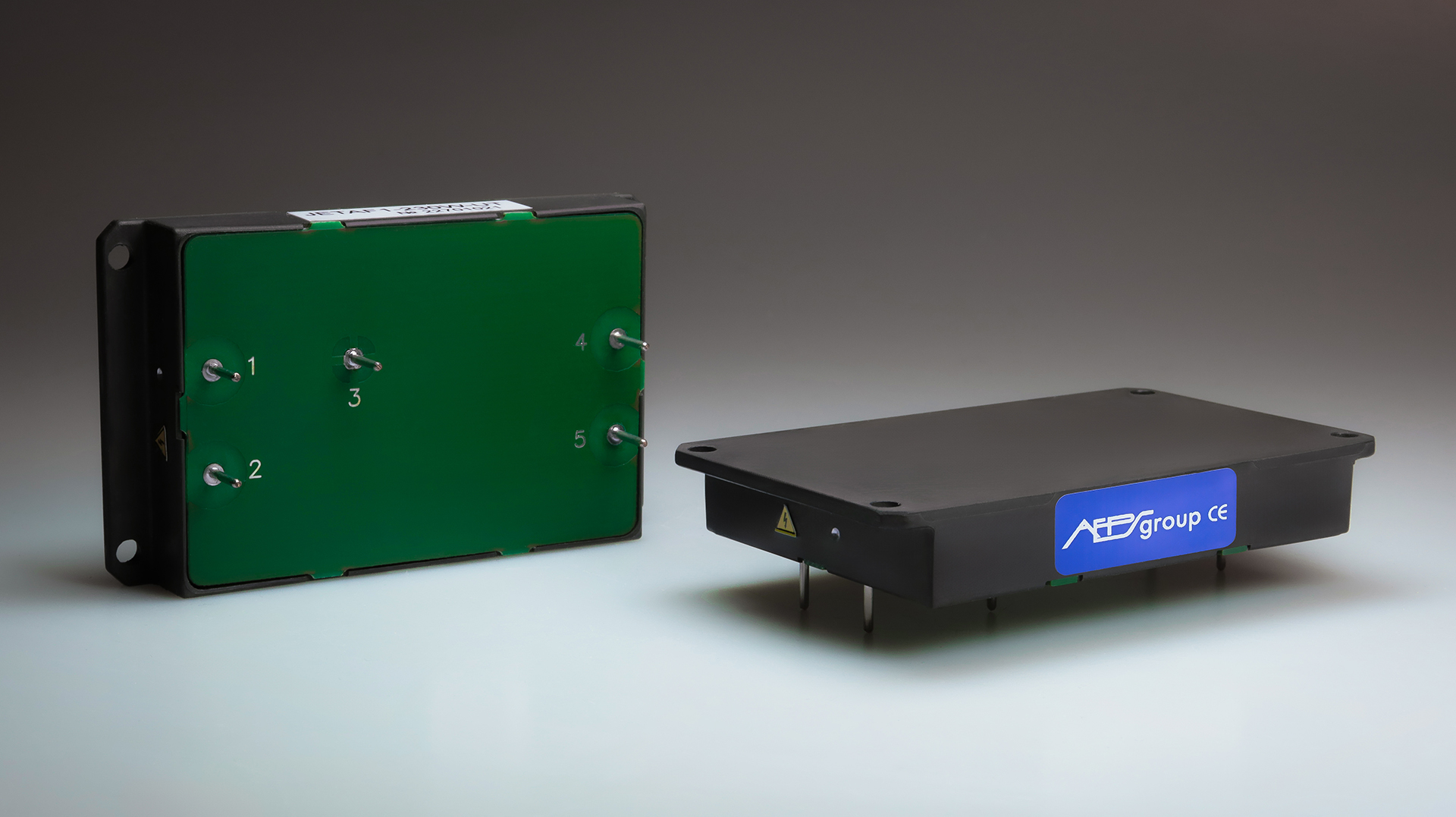
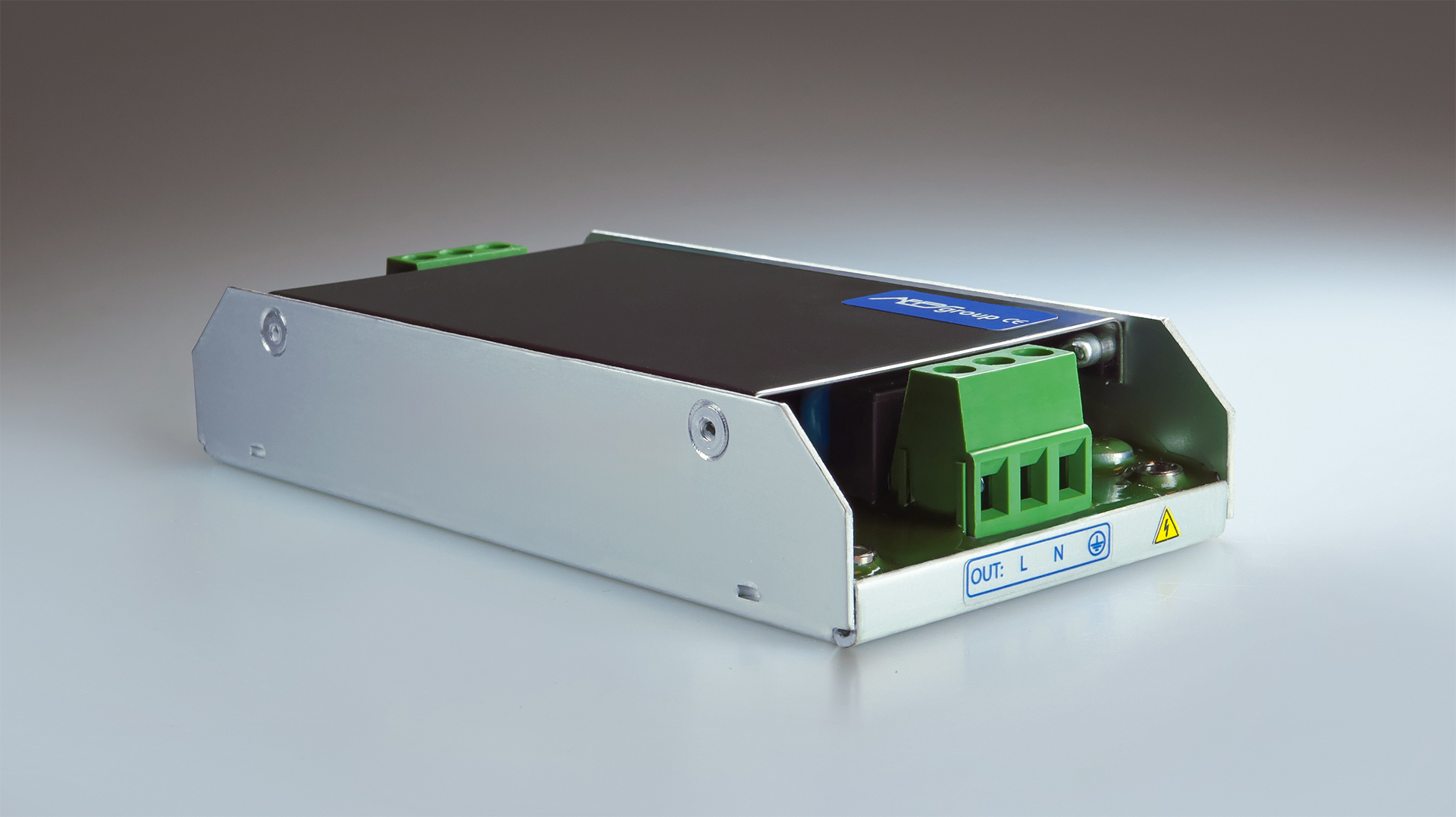
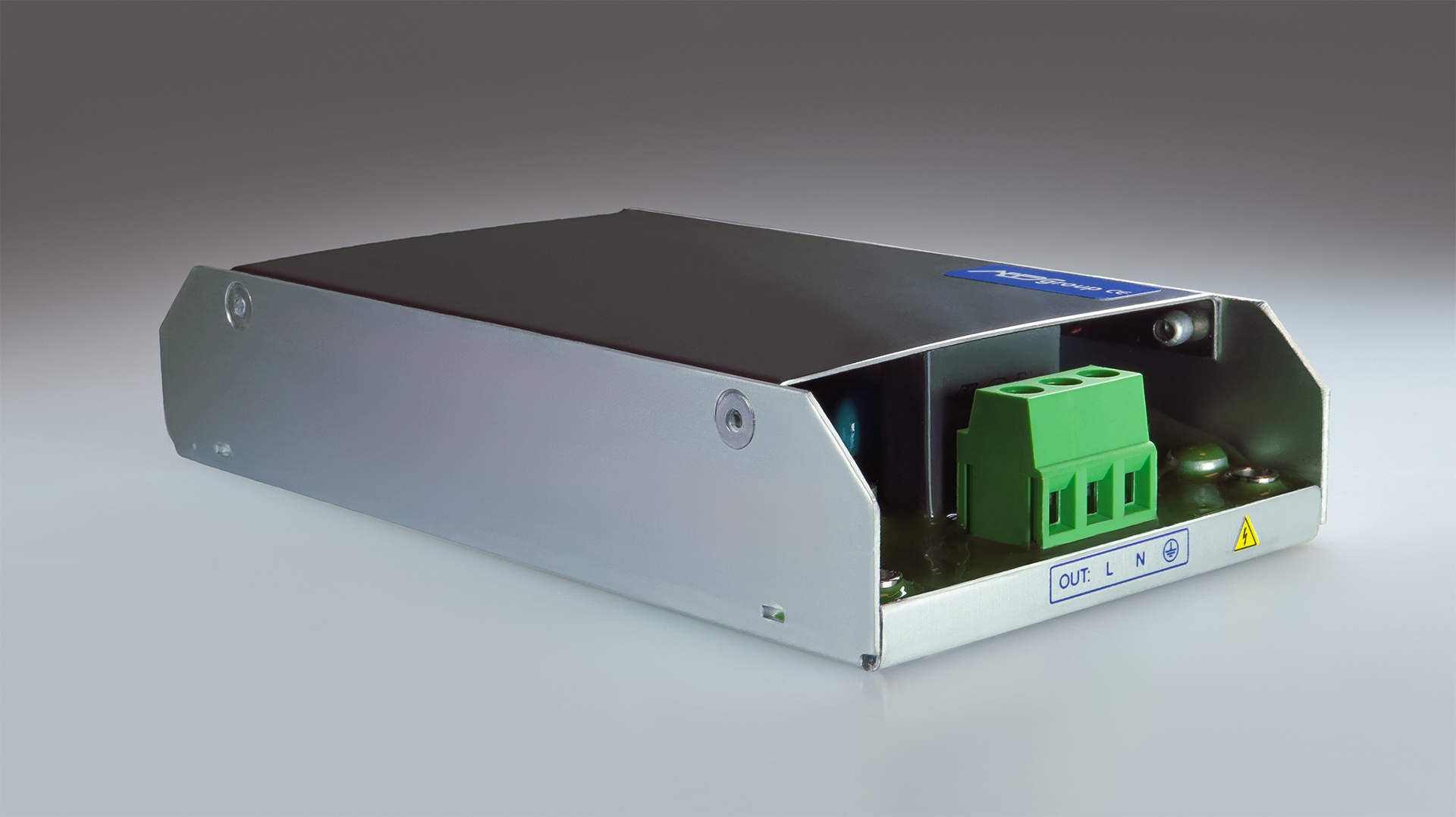
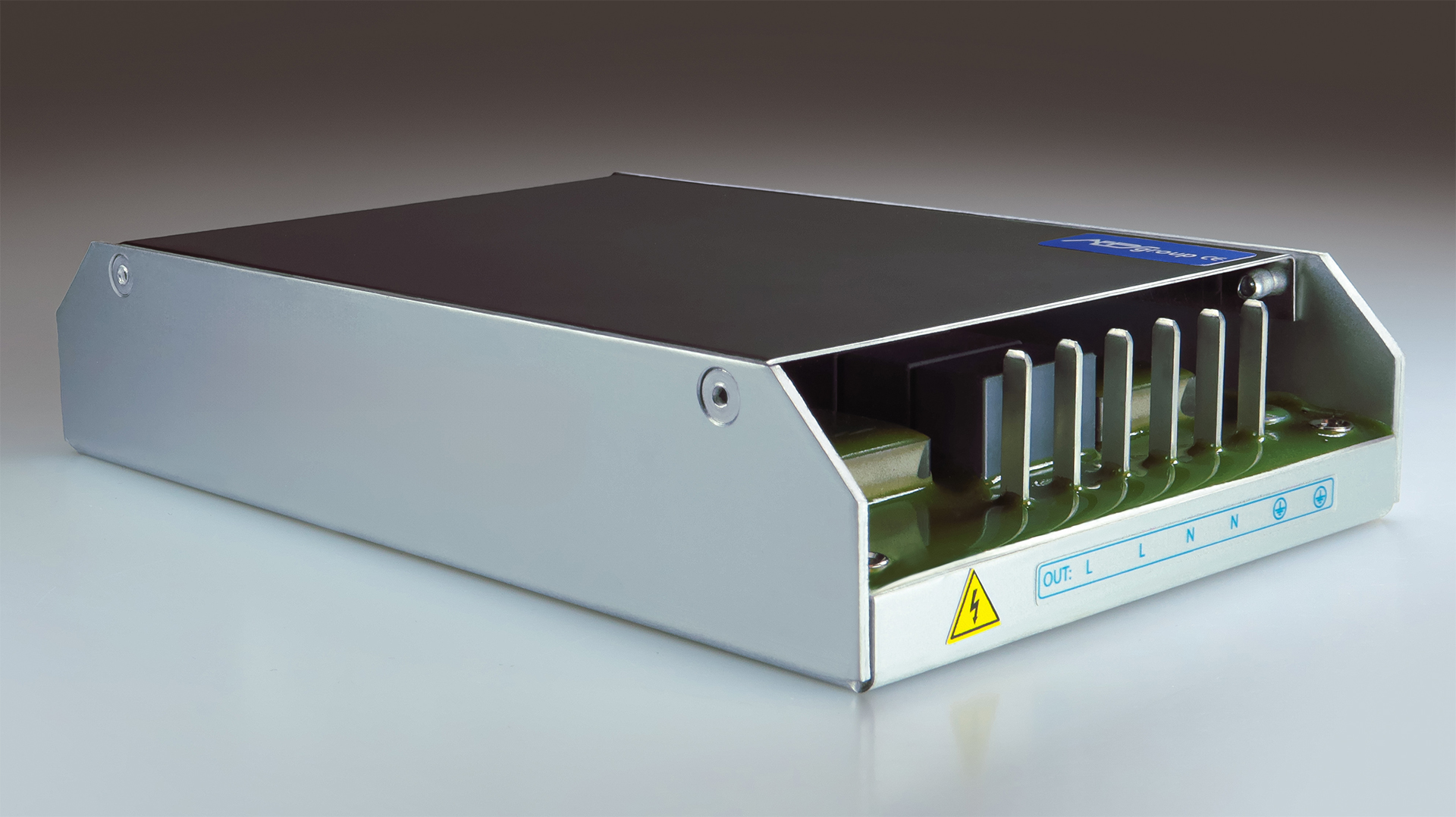
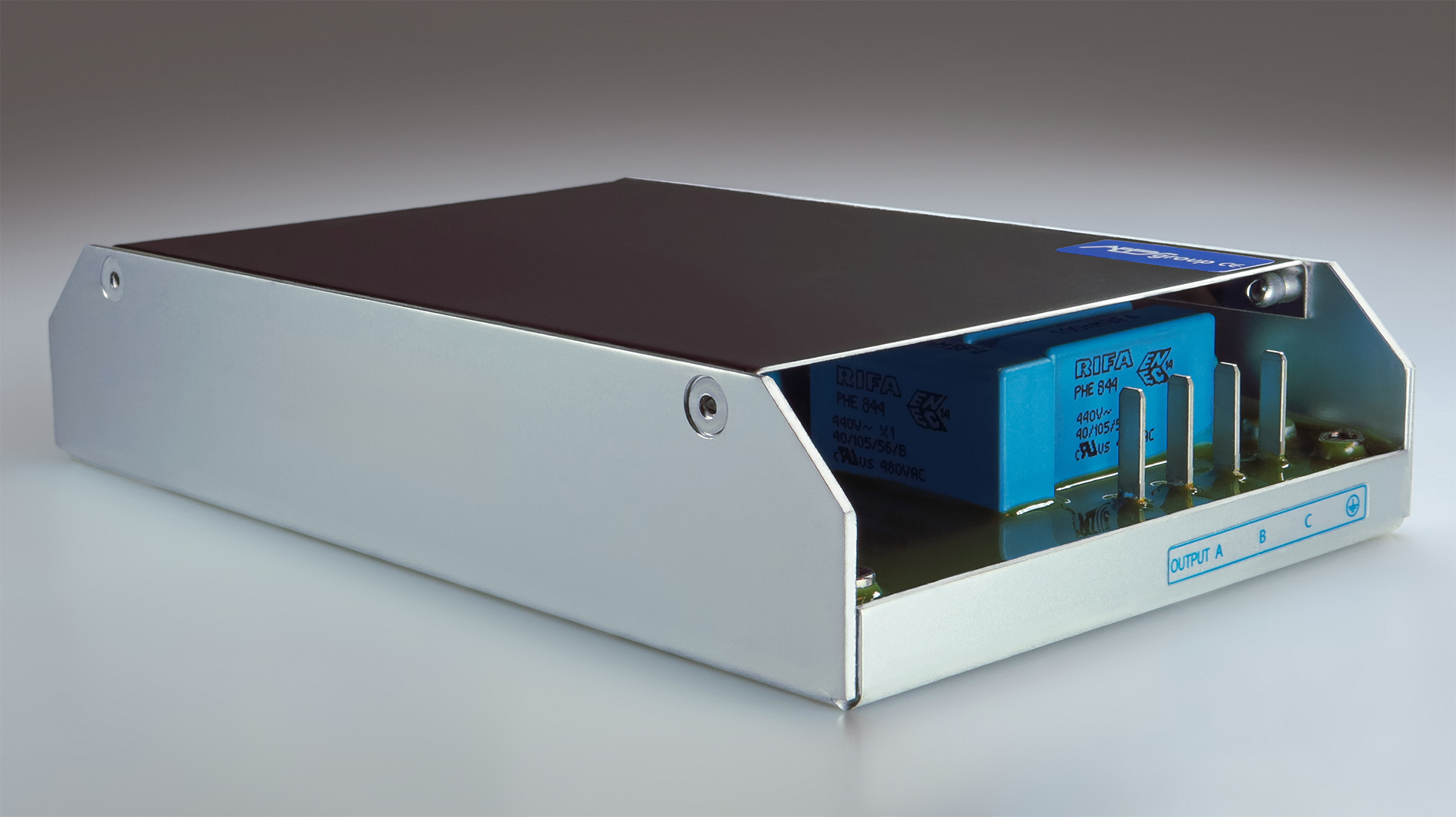
While our standard AC/DC converters feature internal filtering sufficient for industrial EN55022 Class A requirements, mission-critical defense and aerospace networks demand absolute silence. High-power AC/DC switching converters can reflect noise back into the AC grid. The JETAF series provides the heavy-duty common-mode and differential-mode noise suppression necessary to pass strict military and aviation standards, ensuring your equipment does not pollute the host AC power system.
The JETAF series is optimized for both standard and specialized single-phase AC networks. They are fully compatible with standard industrial 230VAC (50/60Hz) mains, as well as specialized aerospace and shipboard generators providing 115VAC at 400Hz. This makes them an ideal front-end filtering solution for avionic systems, UAV ground control stations, and marine radar equipment.
Integrating a JETAF filter at the AC power entry point of your system ensures compliance with the most rigorous global standards. When properly installed and grounded alongside our AC/DC converters, they help your system seamlessly meet MIL-STD-461 (CE101, CE102) for conducted emissions on AC power leads, as well as the stringent RTCA DO-160 standards for airborne equipment.
Absolutely. A single high-current JETAF module can serve as a centralized AC power filter for an entire array of AC/DC power supplies inside your equipment rack. Design engineers simply need to calculate the combined maximum input current of all downstream loads and select a JETAF filter with a matching or higher continuous RMS current rating to avoid saturating the internal magnetic chokes.
Traditional wire-wound chokes used in standard AC filters suffer from unpredictable parasitic capacitance, which degrades high-frequency noise attenuation. Our JETAF filters utilize advanced planar magnetics, ensuring tightly controlled parasitic parameters for superior high-frequency performance. Furthermore, this design allows for a completely flat, ruggedized case that efficiently dissipates heat through baseplate conduction cooling, eliminating the need for vulnerable cooling fans.


